Ever found yourself staring at a stack of forms and wondering if the paperwork is a puzzle or a maze? For adults seeking an autism diagnosis, the process can feel like trying to solve a Rubik’s Cube while blindfolded. That’s why this guide exists: to help you understand the adult autism assessment, demystify insurance claims, and point you toward useful resources—all while keeping the tone light enough to keep you from falling asleep at the desk.
Understanding Adult Autism Assessment
What is Adult Autism Assessment?
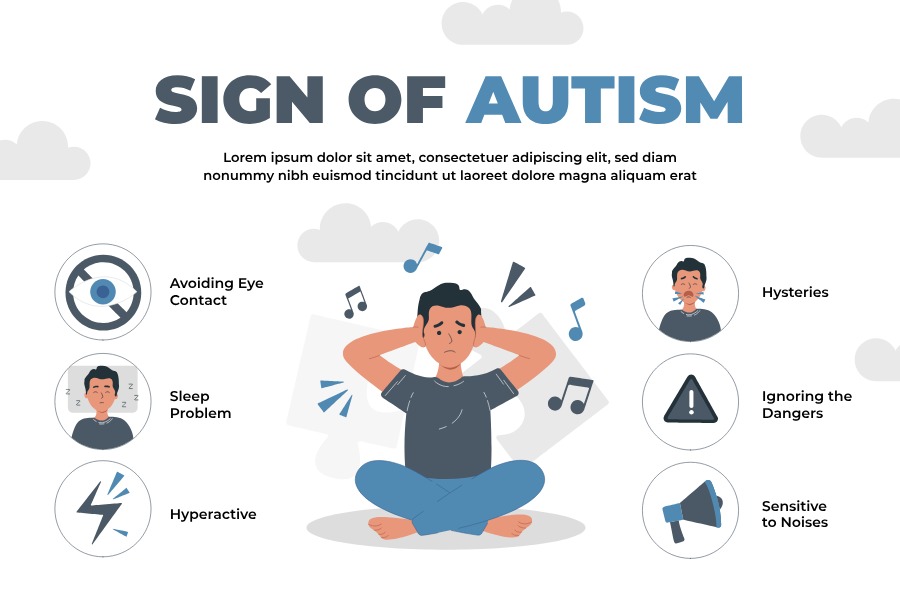
An adult autism assessment is a structured evaluation that looks at developmental history, current behaviors, and social functioning. Think of it as a comprehensive health check, but No pretend play for the brain’s social wiring. Professionals use interviews, questionnaires, and sometimes observation to paint a picture of how autism manifests in adult life.
Why It Matters
Getting a formal diagnosis isn’t just about labeling; it opens doors to accommodations, therapy, and, crucially, insurance coverage. In the long run, a clear diagnosis can save time and frustration—much like having a map before a road trip.
The Insurance Claim Maze
Common Insurance Pitfalls
Insurance companies often treat autism like a “special circumstance” that requires extra hoops. Common hurdles include:
- Limited coverage for diagnostic services Requirement of prior authorization Rigid definitions of “medical necessity”
These obstacles can feel like a labyrinth where every turn leads to a dead end.
How to Prepare Your Claim
Preparation is the key to turning that maze into a straight path. Start by:
- Collecting all diagnostic reports Listing any related medical conditions Documenting functional limitations
Having a clear, organized file makes the insurer’s job easier—and yours a lot less stressful.
Key Resources for Assessment
Professional Evaluators
Finding the right evaluator can be as important as the assessment itself. Look for:
- Board‑certified psychologists or psychiatrists Clinicians with experience in adult autism Practitioners who accept your insurance
A good evaluator will not only diagnose but also provide a detailed report that insurers love.

Community and Online Resources
When the official channels feel slow, community resources can fill the gap. Consider:
- Local autism support groups Online forums such as Reddit’s r/autism Non‑profit organizations like Autism Speaks or the National Autistic Society
These platforms offer advice, personal stories, and sometimes even templates for claim letters.
Practical Steps to Secure Coverage
Gathering Documentation
Your insurer will ask for evidence that the diagnosis is medically necessary. Gather:
- Clinical reports from the assessment Medical records linking symptoms to other health issues Letters from therapists or doctors detailing functional impact
The more thorough, the better—think of it as assembling a puzzle where every piece counts.
Filing the Claim
Once you’ve compiled the paperwork:
Check your insurance policy for specific autism coverage clauses. Submit the claim through the insurer’s portal or by mail. Follow up regularly—call the claims department if you haven’t heard back in 30 days. Persistence pays off; insurers often appreciate proactive communication.Making Your Selection Count
Imagine your adult autism assessment as a key that unlocks a treasure chest of benefits—therapy, workplace accommodations, and insurance coverage. The journey may feel like a hike up a mountain, but with the right preparation, you’ll reach the summit faster.
Remember the words of an advocate I once met: “The greatest gift you can give yourself is understanding.” Understanding your own neurodiversity not only clarifies your needs but also empowers you to advocate for yourself effectively.
Have you ever felt that paperwork could be a friend instead of a foe? By approaching each step methodically—gathering evidence, choosing the right evaluator, and leveraging community resources—you can transform the process from a daunting obstacle into a manageable task.
Now that you have a roadmap, it’s time to take the first step. Reach out to a qualified professional today, and start building the foundation for a smoother insurance claim experience. Your future self will thank you for the clarity and confidence you’re investing in now.